Showing posts with label Billy Bragg. Show all posts

Sunday, April 26, 2026

98. Gaye Bykers On Acid - Nosedive Karma EP (In Tape)


Three weeks at number one from 23rd May 1987


“If this was video, we could forward all the crap”.

When people talk about the indie charts in the eighties, they often think in terms of the press headlines, the dominant idea of alternative music; groups with guitars, to borrow a phrase from a long retired Decca A&R man.

While they were often wrapped in a bright mesh of electric guitar based sounds, the listings also weren’t immune from the effects of ever-cheaper technology or club culture, and the period this single spends at number one is striking for a few reasons; firstly, it’s when the KLF first appear in their initial Justified Ancients of Mu Mu guise (more on them down below) and also when a relevant future number one
(Spoiler

Pop Will Eat Itself’s cover of “Love Missile F1-11”)

enters the top ten. And right on top for three straight weeks was this sprawling heap of digital barbed wire, discordant guitars and distorted samples. It felt as if something was happening. Something ugly, but something nonetheless.

The reasons sampling started to work its way into low-budget music had as much to do with affordability as fashion, and the effects of the lowest priced technology were smeared all over the crevices of the indie scene in 1987. The memory limits of most cheap samplers involved short stabs of speech or music, delivered in a highly distorted manner, rather than extended, luxurious loops. The bands that chose to play with these new toys therefore often became equally manic and unfocused, creating a frenetic racket rather than any kind of groove.

You can hear this throughout “Nosedive Karma”. The band take a garage guitar riff, trigger messy, fast samples from ancient Hollywood films, then throw in muddy solos and agitated rants about – well – you be the judge. “Avarice and greed/ Nostalgia through your veins/ It ain't crack that I need/ To make things feel the same!” rants Mary Byker, presumably railing against the black-and-white Levis world that permeated 1987 (The KLF would similarly sneer at this on the debut album “1987 What The Fuck Is Going On”). These lyrical ideas shift and frequently drift into nonsense, though, colliding with an old school chorus of “ba ba ba bas” and another onslaught of samples and noise.

What the track does is work with the glitchiness of the technology rather than against it, evolving gracelessly and throwing different riffs and ideas around as if they’re detritus. On “Nosedive Karma”, it somehow feels as if no riff, no solo, and no lyrical idea is any more important than whatever fleeting digital scrap decorates it; the band leap towards every distraction gleefully, piling everything on top of the mess. If it sounded like a bunch of herberts pissing about with tech back then, there’s something slightly relevant about it in 2026 too; it also feels like being sat indoors on a Spring Day with all the windows in the house closed, but every window on your laptop open and blaring. Maybe they were on to something.

Gaye Bykers on Acid were a strange group. While saddled with the Grebo tag and sharing it with groups such as Crazyhead and Pop Will Eat Itself, they lacked any straightforwardness at all, and (some would argue) seriousness. Occasionally supporting themselves at gigs under monikers such as Lesbian Dopeheads on Mopeds (dressed as women) and fake dissident East German thrash punk band Rektum, there was a whole fictional universe surrounding the group which probably only made complete sense once you were on the inside. They also didn’t lean on the bog-standard Velvet Underground and Byrds influences, instead having members who loved Frank Zappa and Captain Beefheart.

That love of the angular, satirical and experimental cuts through a lot of their work and attitude. They may have presented themselves as motorcycle boot wearing scruffs with fridges filled with lager, but the noise they created was sometimes challenging as well as thrilling. “Nosedive Karma” is, for me, their finest single; a down-in-one chug of every twitchy, agitated idea 1987 had to offer, with the unexpected sweetness of the sixties surf chorus in the middle.

Its success and their subsequent press made them seem attractive to Virgin Records, who gave them a surprisingly free reign for 1988’s “Drill Your Own Hole” album (initial copies of which came with the central hole covered over by an unperforated label). The group blew their promotional budget on a satirical sci-fi B-movie of the same name, which is available on YouTube and is actually better than you’d expect, like some kind of Max Headroom-ised take on Hard Day’s Night, piercing the cliches and habits of idle rock hacks, the music business, punters and even themselves. Throughout, they are warned that they are spoiling their own chances of success by “not taking things seriously”. Perhaps they effectively diagnosed their own problem.

Wednesday, July 30, 2025

57b. Jesus & Mary Chain - Upside Down (Creation)


Further 3 weeks at number one from w/e 16th March 1985


It's been a while since we've seen an old number one boomeranging back up to the top again, and I'm actually relieved about that - I dislike the way that kind of repetition messes up the narrative of the blog. Still, the facts cannot be argued with, and while The Smiths "How Soon Is Now" was a track with only a feeble grip at the top and a modest toehold in the official charts, "Upside Down" remained a curiosity to casual buyers wandering into Rough Trade. The continued Mary Chain hype kept sales steady, and as soon as The Smiths showed any signs of weakness, the Reid brothers reclaimed their crown again. 

Resting warily beneath them were this lot, who didn't really offer much of a threat.


Week One


22. Balaam And The Angel - Love Me (Chapter 22)

Peak position: 9

With a crash, a smash and a despondent but insistent reverberating guitar riff, "Love Me" cemented Balaam And The Angel's early reputation as an exciting new goth rock act. Sadly, it bears no relation to the parodical Dudley Moore track of the same name, though it does holler as loudly at times - instead, it advises children to follow their instincts, ignore hate, and find their kinfolk. Fair advice from the Balaams, really, offering the kind of hopeful thinking very few goth acts managed.


27.Billy Bragg - Between The Wars (Go! Discs)

Peak position: 27

"Marketed by Chrysalis Records" is clearly written on the back of the sleeve for this one, but in their new 1985 welcoming spirit, the NME let it in the indie charts for one week anyway. 

Stunning how much "Between The Wars" sounds even more stripped bare and underproduced than almost anything else we're discussing today, though. You could be forgiven for thinking this came out on Bluurgh Records; Bragg's honking vocals and the abrasive clang of his guitar sound bare and ragged. Nor is the lyrical content a million miles off the most politicised single on Crass Records, it's just that Bragg has more folk poetry and grandeur at his heart, despite the sonic evidence to the contrary - this is a pro-union song and a prayer for the return of more open and charitable times against the cynicism of Thatcherism, rather than a war cry to kill the rich. 

If there's one thing Bragg gets which the anarcho-punks of the era didn't, it's that sometimes you have to offer your downtrodden audience a message of unity and solidarity as well as screaming for a possible bloody revolution. "Between The Wars" is perhaps a bit too despairing to offer them everything they needed in the hopelessness of 1985, but one picket line anthem is better than none. 


28. D.O.A. - Don't Turn Yer Back (On Desperate Times): The John Peel Session (Alternative Tentacles)

Peak position: 19


29. Severed Heads​ - Goodbye Tonsils (Ink)

Peak position: 29

Australian industrial duo who specialised in synth rackets, audio junk cut-ups from film and television and an ongoing fascination with the perverse and repellant. Much of their work sounds slightly too cluttered and basic to truly surprise casual listeners in 2025, but at the time, "Goodbye Tonsils" felt inventive, threatening and strange. 


30. Rabbi Joseph Gordon - Competition (Bam Caruso)

Peak position: 30

Julian Cope masquerading as a garage rock rabbi, presumably for reasons of career slump boredom and general mischief. There's an argument to be made for "Competition" injecting a sense of purpose back into his life again, though - the road away from Mercury Records and towards Island and further Top 40 success was long at this point, but the abandonment of the introspective psychedelia of "Fried" and towards hard-hitting garage Kingsmenisms possibly started here. 

This isn't to say that "Competition" is in any way essential; it's as likeable but also as throwaway as any genuine garage obscurity you're likely to hear this month. So far as Cope was concerned, though, mission accomplished.


Week Two


9. Conflict - This Is Not Enough Stand Up And F*ucking Fight (Mortarhate)

Peak position: 3

Conflict had a fine way with snappy and abusive single and album titles - this one and "Only Stupid Bastards Help EMI" pop into my head all the time.

"This Is Not Enough" is just over two minutes of agitated noise, grinding guitars and lyrics which veer towards the incomprehensible throughout the anger, but you can guess what it is they're generally on about, and you're seldom far from wrong. Like a lorryload of spare gear boxes and biscuit tins being thrown into a thresher. 


Sunday, July 13, 2025

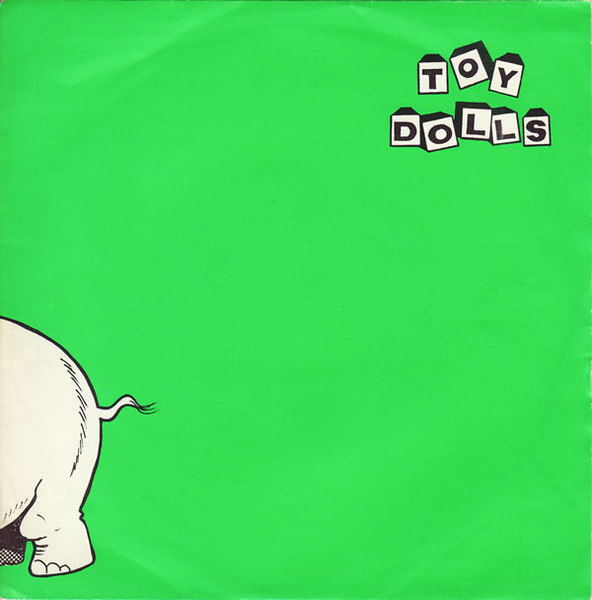
56. Toy Dolls - Nellie The Elephant (Volume)


Number one for seven weeks from w/e 15th December 1984


So then – where were you when you last heard the collective cry of “WooooooOOOOOOAARGH”? In my experience, it can be heard in the following strict set of circumstances:

1. As the enthusiastic accompaniment to somebody “downing a pint”.

2. As the tense sound made by football supporters during a critical penalty shot (usually followed either by cheers, an “ooh!” of disappointment, or even a deflated, almost sarcastic “Oh.”)

3. The noise made shortly before a group of pissed-up beef-necked overgrown schoolboys start throwing increasingly heavy objects around in a pub. It might start with beer mats and end with chairs. Usually, deep down, you know you should have left the place long before this occurred.

4. The sound shortly before the chorus of “Nellie The Elephant”.

Spot the odd one out there. We’ve encountered The Toy Dolls multiple times in our journey through the indie charts, and on every occasion it’s been noticeable just how much they inhabit their own world; it’s an absurd but not particularly sophisticated cross between the abrasive and the fey, the childlike and the rough. 

The group’s roots were firmly in the Punk Pathetique subgenre of Oi, where banal and trivial working class observations combined with a general air of frivolity and stupidity; if most of those groups focused on simple comedic situations such as trying to get served in a bar before closing time (Splodgenessabounds) or being caught kissing someone else’s woman and having to make your escape (Peter & The Test Tube Babies), the Toy Dolls were essentially doing the same only writing with thick crayons. Titles like “Cheerio and Toodle-pip”, all delivered in Olga’s high pitched music hall voice, felt as if they had emerged from ancient episodes of “Watch With Mother”. You got the impression that in Olga’s opinion, the whole of adult society hadn’t moved far beyond the kindergarten, so why should he?

Their cover version of the Mandy Miller song “Nellie The Elephant” had been released in 1982 to indie chart success, but didn’t really make much of a mark beyond the kind of dancefloors where punks gathered. The track never quite disappeared from those club playlists, though, and slowly and steadily found a fresh audience in 1984 thanks to stray bits of Radio One evening airplay getting noticed by the daytime crew (though John Peel, interestingly, consistently ignored it in favour of other Toy Dolls material). The track was reissued, and entered the lower reaches of the Top 100 in November, building up steam and then finally gatecrashing the Top 40 by early December.

Its popularity feels almost entirely due to the absurdities of the British Christmas market. Record buyers at Christmas time will happily part with money to hear anything which sounds as if it might evoke collective fun, whether that’s songs with superhumanly anthemic choruses, tracks their children could also appreciate, or novelty records which are frankly stupid but annoyingly catchy. For all its chugging punk rock stylings, “Nellie The Elephant” managed to tick all those boxes, and found itself appreciated by kids both literal and overgrown - the children at home getting excited about Christmas, and the ones in the outside world getting drunk at the works party; the Olgas and the Juniors of this world, some growing up and others falling down.

The Toy Dolls suddenly found themselves in the Christmas number four position, right behind the Three Kings of Band Aid, Wham’s “Last Christmas” and Paul McCartney’s Frog Chorus – all monstrous sellers. It was a colossal achievement for their tiny Sunderland indie label Volume, who were usually only used to worrying about getting enough copies of their singles pressed to keep them in the Indie Top 20. In this sense, “Nellie The Elephant” is an eccentric British victory for the rank outsider, the everyman partaking in daft follies in his spare time and then finding himself eyeballing an ex-Beatle for a top three chart position. And at Christmastime too! It’s a wonderful life indeed.

It has to be said that it’s not really a great piece of work in itself, though, and Peel’s reluctance to engage with it is not surprising. It’s a groundbreaker in that it feels like one of the first attempts by a punk or metal band to create a single out of unlikely source material. In the decades to come we will be treated to ironic covers of children’s songs and "cheesy" pop hits by no end of young men wearing studded leather jackets, but even taking that “innovation” into account, the single is really just a boozy racket.

In this respect, the gap between “Nellie” and Scaffold’s 1968 Christmas number one “Lily The Pink” is actually quite narrow. Both depend on the same stomping, chugging rhythm, perfect for bashing beer tankards on tables to. Both sound perfect for the kind of overly raucous Christmas party I must admit I never got along with – the toxically mixed kind which occasionally saw somebody fired from their job in the New Year, or saw old rows between good friends being resuscitated. Sometimes the line between the jolly drunken cry of “WooooAAARGH” and much more aggressive screaming and shouting can be very fine.